About
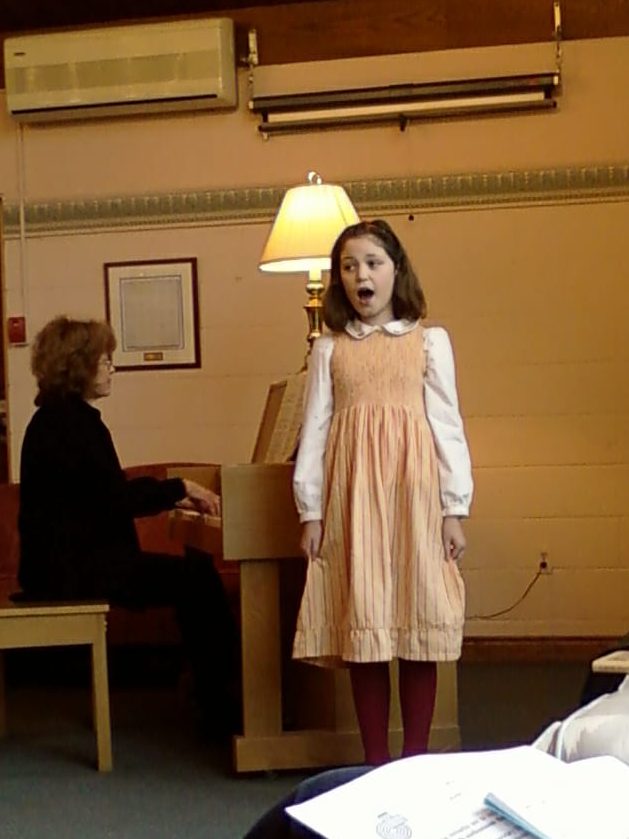
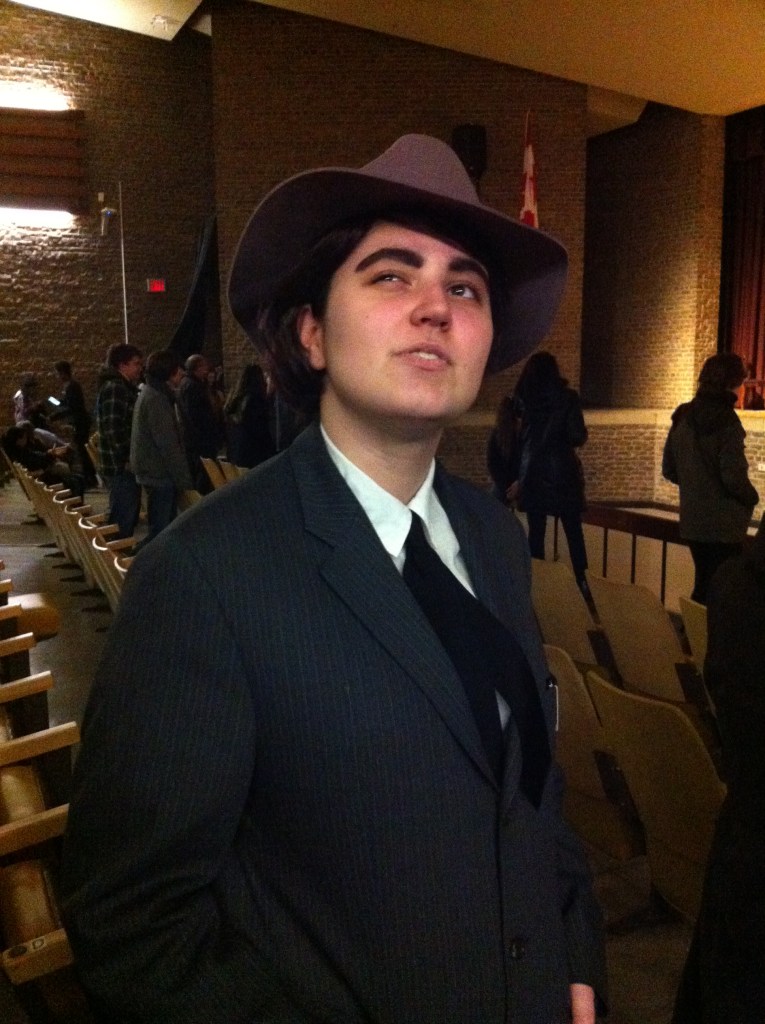
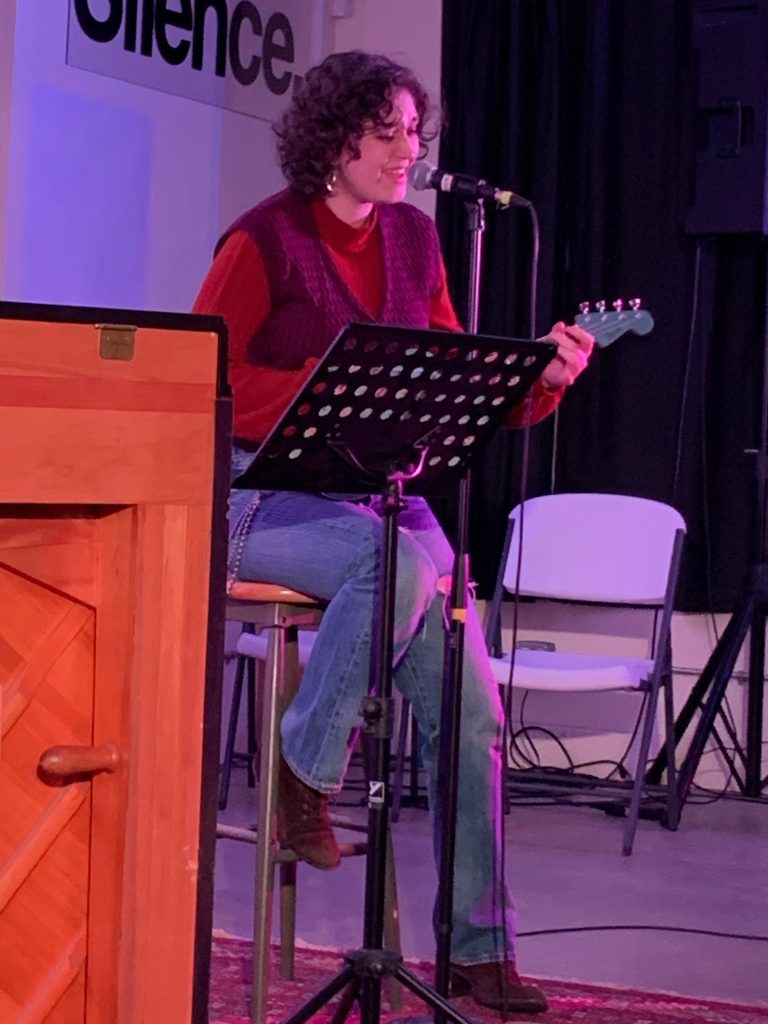
My name is Sophie De Goey and I am a freelance artist and academic based in Toronto, Ontario, Canada. I’ve always loved singing and acting, and started pursuing them through community theatre and music lessons at age 5. For the following thirteen years straight, I was always involved in some sort of stage performance, from school plays to music festivals to fully-fledged professional operas. For a child who never really fit in at school, the stage was my refuge, my safe space to feel every emotion of the human experience openly and fully. While being over-the-top and emotional at school would get me bullied, it earned me immense praise in artistic spaces. In addition to being highly decorated at music festivals and taking home multiple music scholarships, I consistently earned leading and supporting roles and excelled in the spotlight.
The goal of this archive is not only to preserve my personal history, but to examine how gender and age intersect with theatrical performance. Growing up, I faced a lot of stigma as a “theatre kid,” especially as a theatre girl, due to how theatre-career-driven women and girls are portrayed in media (especially children’s media, like the villainous and self-absorbed Sharpay in High School Musical). Having a loud and dramatic voice, being ambitious and dedicated, and being unafraid of the spotlight were all considered “cringey,” “self-obsessed,” and “unfeminine” among my childhood peers.
Though theatre is often a women-dominated field, it is not a place for women and girls to conform to traditional femininity (i.e. silence and submission). A big part of this is what I call un-performance (the eschewing the performance of societal norms in favour of authenticity of self), and how it can challenge oneself to engage with gender more critically from an early age. Furthermore, many of my experiences in music and theatre involved gender-blind casting or even explicit cross-dressing. In this way, this project will serve both as a living archive (one which documents the achievements and the struggles of its subject/curator) and a commentary on feminist visible absence/invisible presence (how are young women-and-girl-performers represented in media versus in the field? How much of the industry relies on women’s labour? Hint: a lot of the productions and festivals that I took part in were run by women with a majority female performer demographic.) The intended audience for such an archive is the women and girls who would see themselves represented and empowered by such a story.
“Gendered Performance: Documenting a Girl on Stage” is my initiative for collecting and preserving my experience as a young performer and the many facets in which gender affects the space. The project consists of photos, videos, ephemera, and personal essays.
 Gendered Performance